Blog

Article
What Is Self-discharge and ...

What Is Self-discharge and Leakage Current?

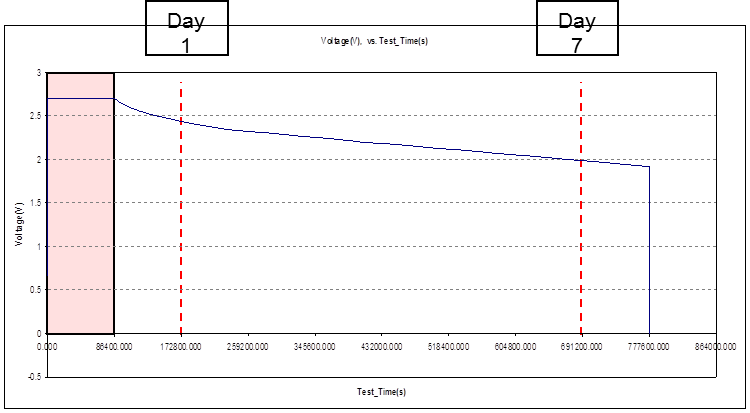
Over time, charged ultracapacitors without a load slowly lose their charge. “Self-discharge” is the voltage drop a charged ultracapacitor cell experiences after a set period of time without a load.

Self-discharge

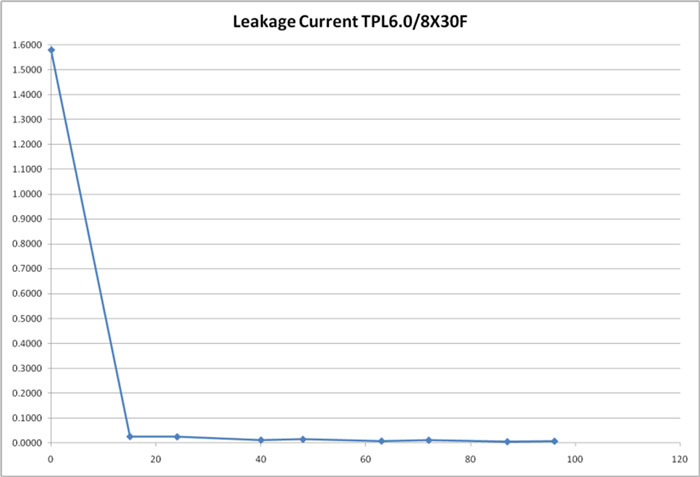
Ultracapacitors require a current to keep them charged. The leakage current is the stable parasitic current needed to hold an ultracapacitor on charge at a rated voltage. The value needed for the leakage current is voltage- and temperature-dependent.

Other Recent Posts

What Is Equivalent Series Resistance (ESR)?

Equivalent series resistance (ESR) is a measurement of internal resistance in an energy-storage device and is specified in ohms (Ω). Internal resistance influences the flow of electrical energy through the device and...

Read post

Capacitor Selection Guide

Capacitors are widely used in electric circuits to store energy, suppress voltage spikes, and filter noise, ultimately enhancing a product’s performance. Although capacitors consist of...

Read post